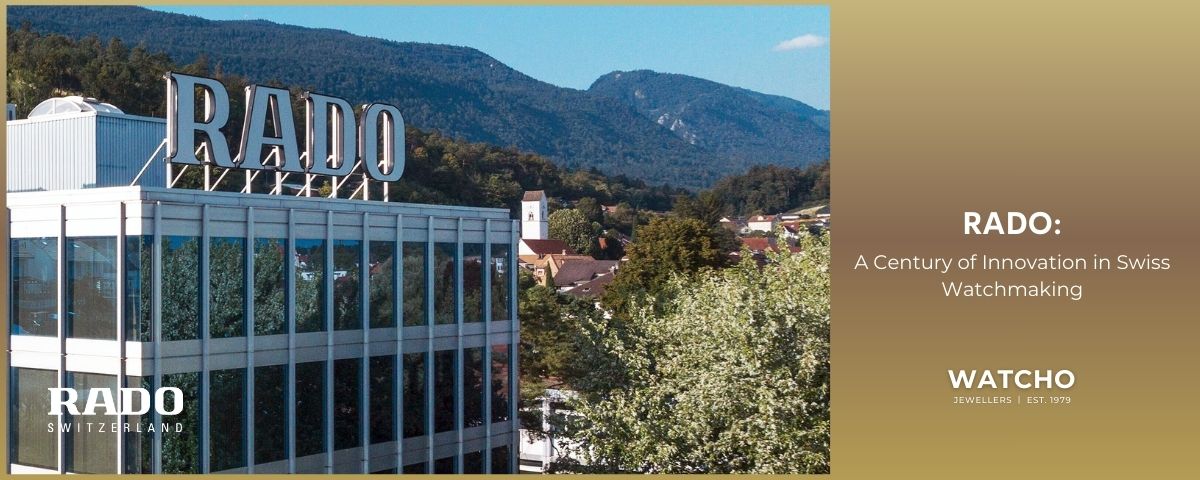
The world of luxury watchmaking is rich with history, precision, and an unyielding pursuit of excellence. Among its revered names, Rado Watch stands out not just for its exquisite timepieces but for a pioneering spirit that has consistently pushed the boundaries of material science and design. From its humble origins in 1917 as a movement manufacturer to its current status as a globally recognized innovator in high-tech ceramic, the journey of Rado is a testament to vision, resilience, and an unwavering commitment to the future of horology.
For over a century, this Swiss luxury brand, now part of the prestigious Swatch Group, has carved a unique niche by focusing on durability, comfort, and distinctive aesthetics. While many luxury watch brands pride themselves on traditional craftsmanship, Rado distinguishes itself as the "Master of Materials," a moniker earned through decades of revolutionary advancements. This article delves into the fascinating evolution of the Rado Watch, exploring its foundational years, the pivotal moments that shaped its identity, and the enduring legacy of innovation that defines it today.
From Humble Beginnings: The Schlup & Co. Legacy (1917-1957)
The story of Rado begins not with a grand watch factory, but within the confines of a modest family home in Lengnau, a picturesque municipality in the canton of Bern, Switzerland. It was here, in 1917, that three visionary brothers – Fritz, Ernst, and Werner Schlup – established Schlup & Co. Initially, their focus was not on producing finished watches for the consumer market but on manufacturing watch movements and components. This meticulous work, often performed with extraordinary precision and dedication, laid the groundwork for the future brand.
In the early 20th century, Switzerland was already a burgeoning hub for watchmaking, known for its skilled artisans and high-quality horological engineering. Schlup & Co. thrived by contributing to this ecosystem, developing a reputation for reliable and finely crafted movements. This period, spanning four decades, was crucial for building the foundational expertise and technical prowess that would eventually allow the company to transition from a behind-the-scenes supplier to a renowned watch brand. The brothers' dedication to engineering excellence and an innate understanding of precision mechanics were the invisible pillars upon which the future Rado Watch would be built.
Laying the Groundwork for Innovation
- Precision Engineering: The focus on movements meant Schlup & Co. honed its skills in intricate mechanical work, a core competency vital for watch production.
- Quality Assurance: Building a reputation as a reliable supplier instilled a culture of quality that would later define the Rado brand.
- Strategic Location: Lengnau's proximity to other watchmaking centers allowed for access to talent and resources within the thriving Swiss watch industry.
The Birth of Rado: A New Era of Innovation (1957 Onwards)
The year 1957 marked a significant turning point. After forty years of crafting movements, the Schlup brothers were ready to launch their own brand of finished watches, introducing them to a global market under the name "Rado." The choice of name was intentional and insightful; "Rado" means "wheel" in Esperanto, a universal language designed for international communication. This name subtly hinted at the mechanical heart of a watch, while its universal appeal perfectly aligned with the brand's ambitious international aspirations.
The debut of the Rado Watch brand was spearheaded by the introduction of the Rado Green Horse collection. These watches quickly garnered attention for their robustness and water resistance, setting a new standard for everyday durability. This early emphasis on resilience was a clear precursor to Rado's later and more dramatic material innovations. The Green Horse series showcased Rado's commitment to creating timepieces that were not only aesthetically pleasing but also built to withstand the rigors of daily life, a departure from some of the more delicate luxury watches of the era.
Iconic Debuts and Exploratory Spirit
Just five years later, in 1962, Rado unveiled another groundbreaking model: the Rado Captain Cook dive watch. Named after the legendary 18th-century British explorer and cartographer, Captain James Cook, this timepiece embodied a spirit of adventure and discovery. The original Captain Cook was celebrated for its distinctive design, including an internal rotating bezel (a common feature in dive watches for measuring elapsed time) and impressive water resistance. It quickly became an icon, demonstrating Rado's ability to combine functional excellence with captivating design, a philosophy that continues to define the brand's collections today.
The introduction of the Captain Cook cemented Rado's reputation for innovation and adventure, further solidifying its position in the competitive Swiss watch market. It highlighted an early understanding that a luxury watch could also be a robust tool, capable of accompanying its wearer on extraordinary journeys.
Rado's Material Mastery: Pioneering High-Tech Ceramics and Beyond
While the early Rado Watch models like the Green Horse and Captain Cook demonstrated a commitment to durability, it was Rado's pioneering work with revolutionary materials that truly set it apart and earned it the title "Master of Materials." The brand's relentless pursuit of innovative substances transformed the watchmaking landscape, moving beyond traditional metals like gold and steel to explore the extraordinary properties of high-tech ceramics.
Rado was one of the first watchmakers to introduce high-tech ceramic into its watch cases and bracelets in the 1980s. This was not merely a stylistic choice; it was a groundbreaking technical advancement. High-tech ceramic offers a host of unparalleled benefits:
- Exceptional Scratch Resistance: Ceramic is significantly harder than steel, making Rado watches incredibly resistant to scratches and maintaining their pristine appearance for decades.
- Lightweight Comfort: Despite its robustness, ceramic is surprisingly light, offering superior comfort on the wrist compared to many metal watches.
- Hypoallergenic Properties: High-tech ceramic is hypoallergenic, making Rado watches an ideal choice for individuals with sensitive skin or metal allergies.
- Thermal Adaptability: Ceramic quickly adapts to skin temperature, providing a pleasant wearing experience that is neither too hot nor too cold.
Beyond traditional high-tech ceramic, Rado has continued to innovate with other materials such as plasma high-tech ceramic (which takes on a metallic sheen without using any metal) and Ceramos (a unique blend of ceramic and metal). This dedication to material science isn't just about creating durable watches; it's about crafting timepieces that feel different, look distinctive, and stand the test of time both aesthetically and functionally. This relentless drive for material innovation is eloquently explored in our dedicated piece: Rado Watches: Pioneering Innovation in Swiss Ceramic Design.
The Impact of Material Innovation
Rado's commitment to materials extends to other components as well, most notably with the widespread use of sapphire crystal for watch faces. Sapphire crystal is renowned for its extreme hardness and scratch resistance, ensuring that the watch dial remains clear and readable even after years of wear. This holistic approach to material selection underscores Rado's philosophy: a luxury watch should be beautiful, comfortable, and virtually impervious to the wear and tear of daily life.
Iconic Collections and Enduring Legacy of the Rado Watch
Today, the Rado Watch brand boasts a diverse portfolio of iconic collections, each reflecting its core values of innovative design and material mastery. Lines like the True Thinline, with its ultra-slim profile and monobloc ceramic case, exemplify minimalist elegance and advanced engineering. The HyperChrome collection, known for its sporty yet sophisticated aesthetic, seamlessly integrates ceramic with various metallic finishes. The Centrix offers classic versatility, while the Integral revolutionized watch design with its integrated bracelet and case in high-tech ceramic and sapphire crystal.
Rado's design philosophy is often characterized by clean lines, modern aesthetics, and a focus on essential forms. These design choices ensure that a Rado Watch remains timeless, transcending fleeting trends. The brand has consistently demonstrated that innovation isn't solely about new technology but also about how that technology is integrated into a cohesive and appealing design.
Choosing Your Rado: Tips for the Discerning Collector
For those considering adding a Rado Watch to their collection, several factors make it a compelling choice:
- Unmatched Durability: If you seek a luxury watch that can withstand daily wear without showing signs of age, Rado's material expertise is second to none. Its scratch-resistant surfaces mean your timepiece will retain its aesthetic appeal for years.
- Distinctive Style: Rado watches possess a unique contemporary elegance that stands apart from more traditional luxury brands. They are often chosen by those who appreciate modern design and subtle sophistication.
- Exceptional Comfort: The lightweight and hypoallergenic nature of high-tech ceramic makes Rado watches incredibly comfortable for extended wear, often surprising those accustomed to heavier metal timepieces.
- Investment in Innovation: Owning a Rado is not just about having a time-telling device; it's about appreciating a brand that has consistently pushed the boundaries of what's possible in watchmaking.
Understanding the unique appeal and historical context of Rado can help you appreciate its place in horology. For a deeper dive into the brand's essence, read Decoding Rado: Meaning, History, and Iconic Swiss Timepieces.
Conclusion
From the unassuming workshop of Schlup & Co. in 1917 to a global powerhouse in luxury watchmaking, the evolution of the Rado Watch brand is a remarkable narrative of innovation and perseverance. Rado's journey from a movement manufacturer to the "Master of Materials" underscores a relentless commitment to durability, distinctive design, and revolutionary materials. By pioneering the use of high-tech ceramic and other advanced substances, Rado has not only created some of the world's most recognizable and enduring watches but has also redefined what a luxury timepiece can be. In an industry often rooted in tradition, Rado continues to look forward, crafting watches that are not just instruments of time but symbols of innovation, comfort, and timeless style.